



I research the human systems inside AI
I study how people build, measure, govern, and live with artificial intelligence across products, institutions, markets, and public life.
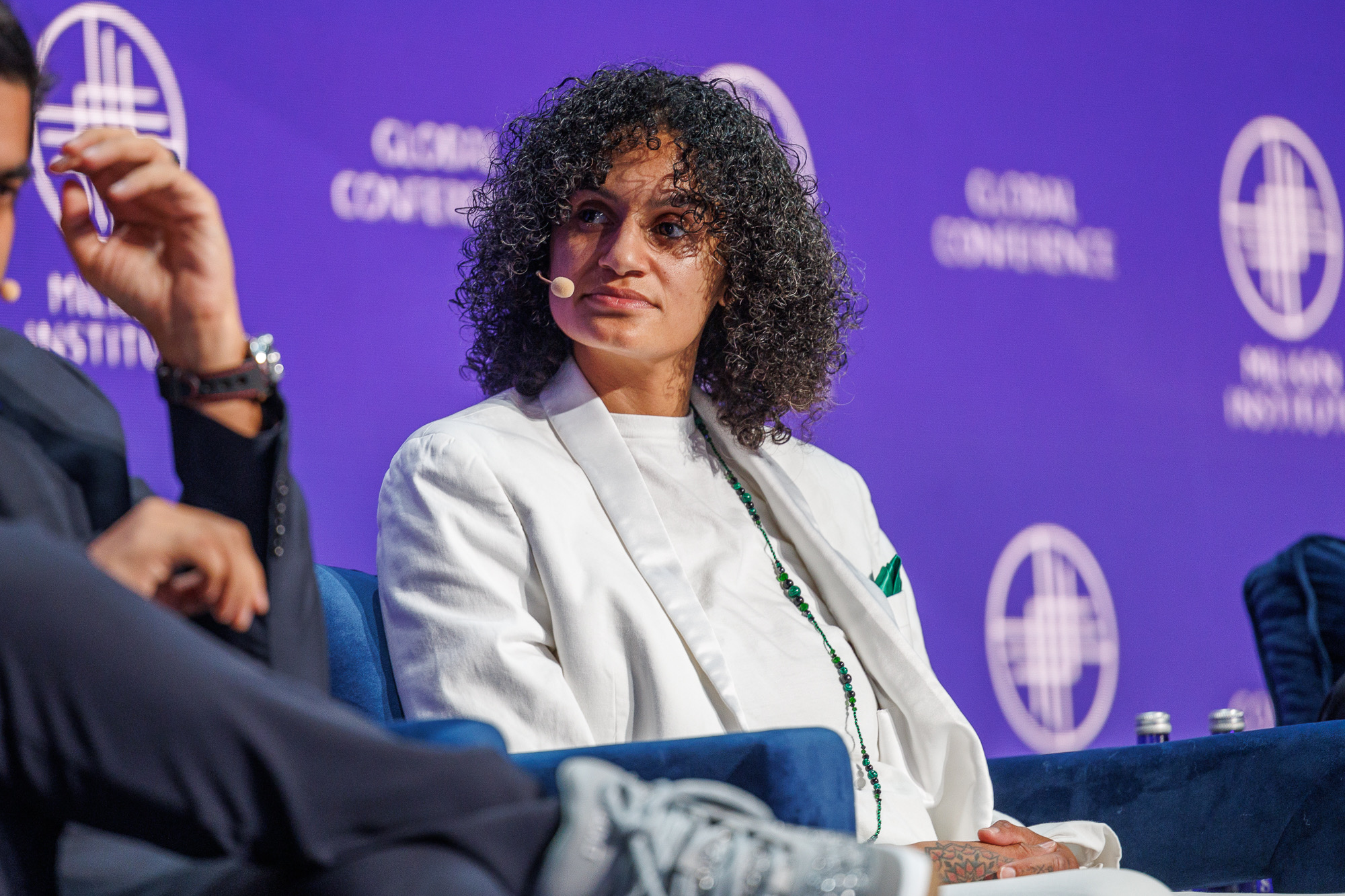
Research areas
X brings engineering, product, research, and policy experience to questions about how AI works in the world and who carries the consequences.
Human centered AI measurement
How do people experience an intelligent system?Research methods that measure how people experience intelligent systems, with particular attention to representation, computer vision, and product evaluation.
Responsible AI governance
Who carries responsibility for an automated decision?Evidence that helps organizations connect technical performance with accountability, policy, institutional responsibility, and the people affected by deployment.
AI and public life
How does AI change the institutions people rely on?Research and public analysis about how artificial intelligence changes work, markets, attention, decision making, and the institutions people rely on.
AI research should begin with the people who live with its consequences.
X studies the full social system around artificial intelligence, from the choices inside a product to the institutions that decide where and how people encounter it.
Measure lived experience
Responsible AI research should measure what people experience, not only what a model can produce.
Connect systems to institutions
Technical performance gains meaning when researchers connect it to policy, power, and accountability.
Make evidence usable
Research should give builders and leaders a clearer basis for decisions that affect people.
Press and conversations
Selected reporting and conversations about responsible AI, public policy, and computer vision.
View appearances



I build research that changes how teams measure responsible AI.
At Google, I developed and led research programs focused on responsible artificial intelligence, inclusive computer vision, and the people affected by automated systems.
My work on skin tone measurement helped researchers and product teams evaluate computer vision systems across a broader range of skin tones and lived experiences.
A study with 2,214 participants compared three skin tone measures and found that people viewed the Fitzpatrick scale as less inclusive than the Fenty and Monk scales.
The research helped establish more inclusive methods for measuring representation in computer vision and informed work across products including Pixel and Search.
Today I study the reciprocal relationship between people and AI. I examine how people shape intelligent systems, how those systems change behavior and institutions, and what responsible governance requires from the organizations building them.